

Tranexamic Acid for Melasma: How It Helps Stubborn Pigmentation
Daisy Bennett
Ngày
01/12/2025
Melasma can be persistent and may become more noticeable following sun exposure, hormonal changes, and other triggers. For people dealing with recurring or difficult-to-manage pigmentation, Tranexamic Acid (TXA) has gained increasing attention as an ingredient used in the management of melasma.
But does Tranexamic Acid actually work for melasma? How does it affect pigmentation, how long can it take to see improvement, and is it suitable for everyone?
This guide explains the science behind Tranexamic Acid for melasma, the available evidence, different forms of TXA, safety considerations, and how it may fit into a melasma-focused skincare routine.
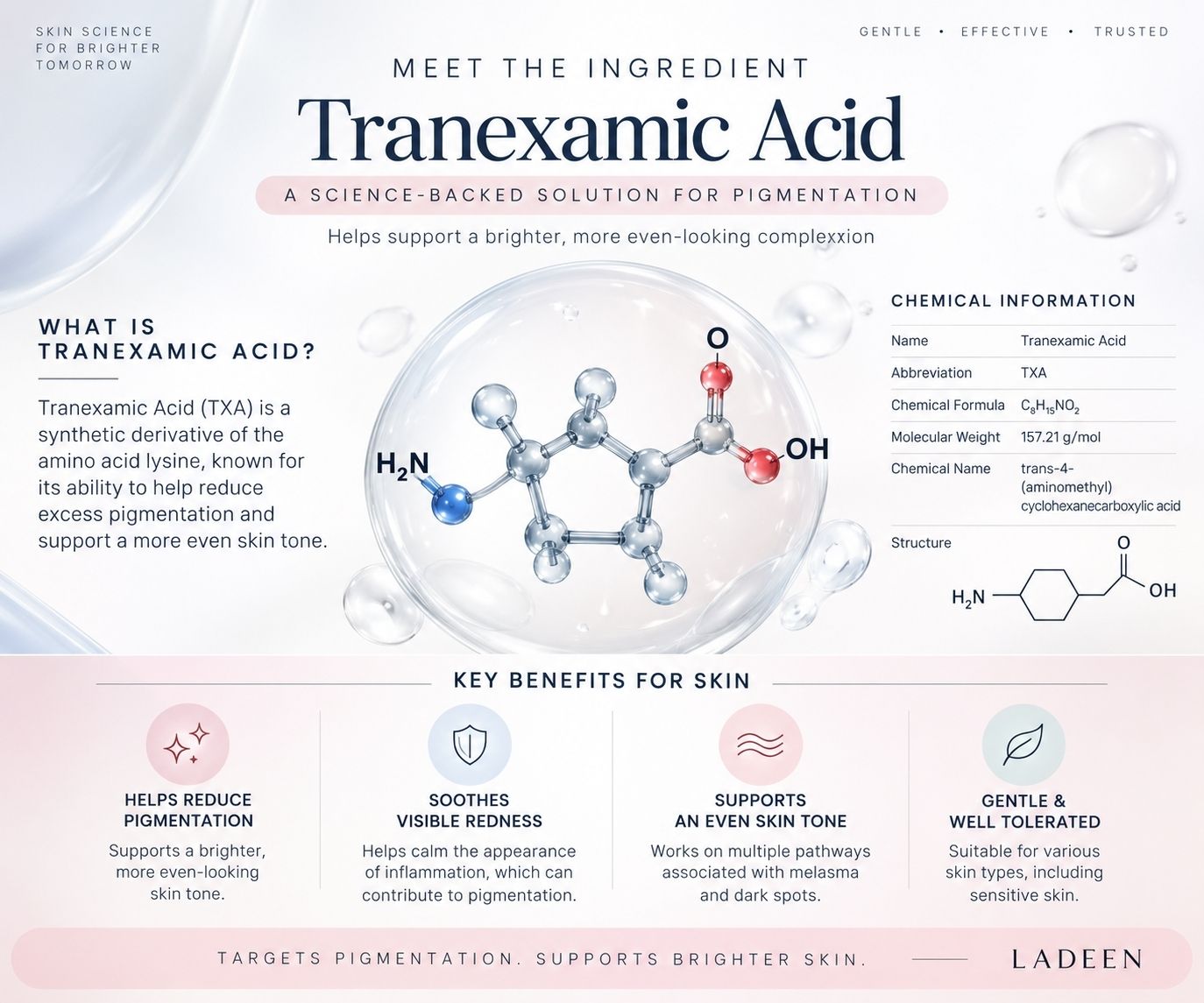
Tranexamic Acid may help improve melasma by influencing biological pathways involved in melanin production, inflammation, and vascular activity. Clinical studies have investigated topical, oral, and intradermal forms of TXA, with research showing improvements in melasma severity in many patients. However, results vary depending on the formulation, route of administration, treatment duration, and individual condition.
1. What Is Tranexamic Acid?
Tranexamic Acid (TXA) is a synthetic derivative of the amino acid lysine. It was originally developed as an antifibrinolytic medication — a medicine used to reduce excessive bleeding.
Researchers later observed its potential effects on pigmentation, leading to increasing interest in TXA as an option for managing melasma.
Today, Tranexamic Acid has been studied in several forms, including:
- Topical TXA
- Oral TXA
- Intradermal TXA
- TXA used alongside procedures such as microneedling
Research reviews have reported improvements in melasma severity across different TXA delivery methods, although their effectiveness, safety profiles, and appropriate use are not identical.
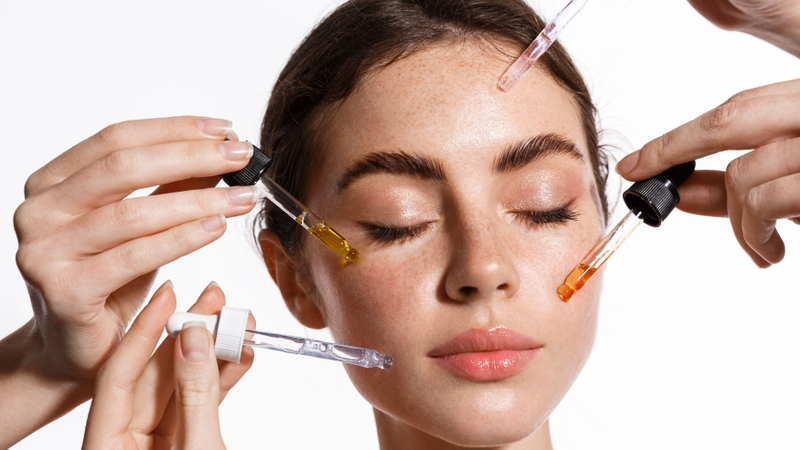
For everyday cosmetic skincare, topical Tranexamic Acid is particularly relevant because it can be incorporated into serums and other leave-on skincare formulations.
2. How Does Tranexamic Acid Work for Melasma?

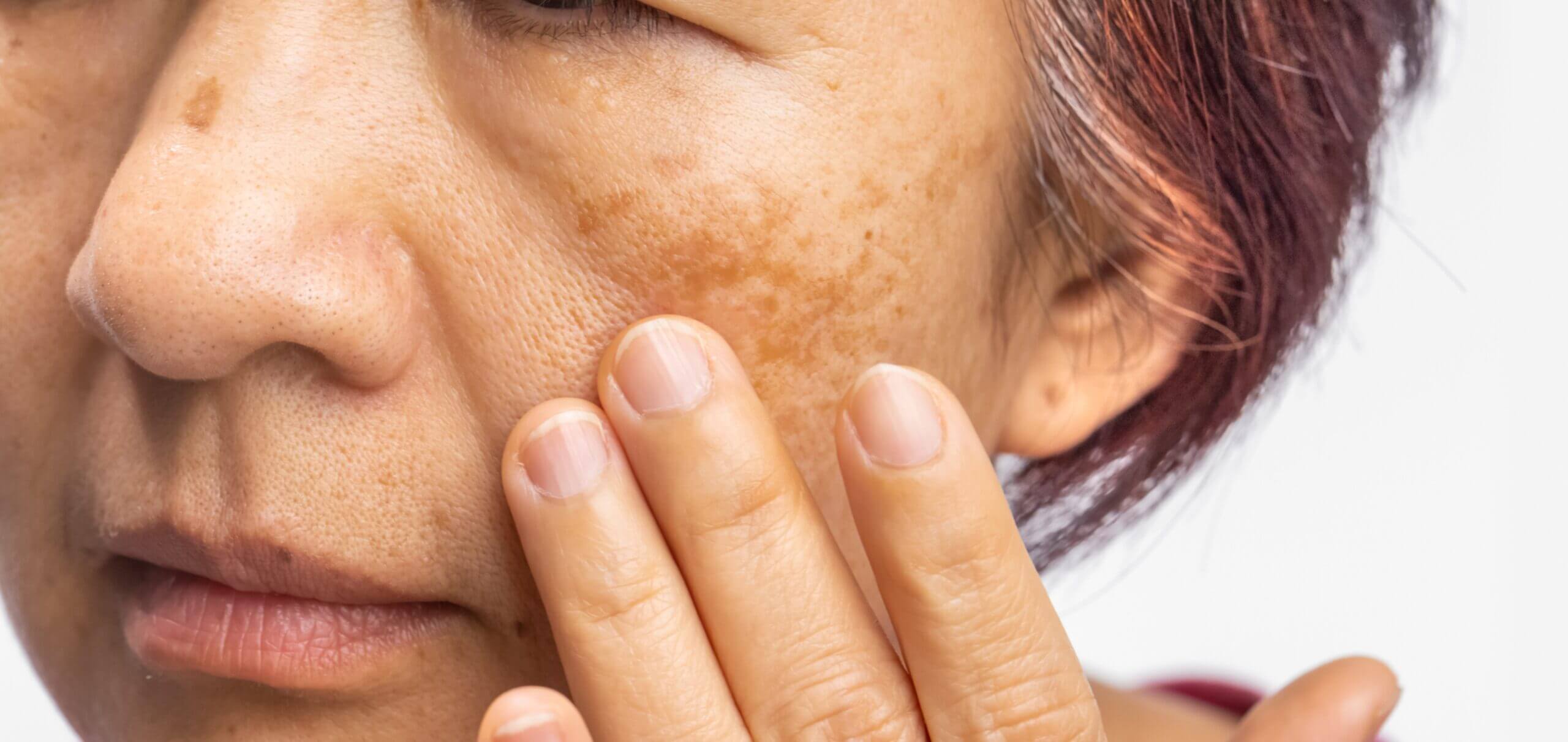
Melasma is more complex than simply having “too much melanin.” Sun exposure, hormonal influences, inflammation, vascular changes, and interactions between different skin cells may all contribute to its development and persistence.
Tranexamic Acid is thought to influence several pathways associated with this process.
2.1. Influences Pathways Involved in Melanin Production
One of the most studied mechanisms involves the plasminogen–plasmin pathway.
UV exposure can activate this pathway in the skin, contributing to downstream signals associated with melanogenesis — the biological process through which melanin is produced.
Tranexamic Acid inhibits the conversion of plasminogen to plasmin, which may help reduce some of the signals that contribute to excessive pigmentation.
This is more scientifically accurate than describing TXA as simply “blocking melanin at its root.”
2.2. May Influence Inflammatory Processes
Inflammatory signaling may also contribute to pigmentation and melasma.
By affecting pathways associated with plasmin activity and other biological processes, Tranexamic Acid may help influence some of the inflammatory mechanisms associated with melasma.
However, TXA should not be considered a universal anti-inflammatory treatment.
2.3. May Affect Vascular Factors Associated With Melasma
Research increasingly suggests that melasma is not exclusively a disorder of melanocytes.
Vascular changes, mast cells, photoaging, and increased vascularization have also been observed in melasma lesions.
Research suggests TXA may influence some of these vascular and cellular pathways, which could partly explain why its effects extend beyond simply targeting melanin production.
👉 Learn more about melasma symptoms, causes, and treatment options in our complete guide
3. What Does Research Say About Tranexamic Acid for Melasma?

- Tranexamic Acid has been investigated in numerous clinical trials and reviews for melasma.
- A 2024 systematic review and meta-analysis involving 22 studies and 1,280 participants found that TXA administered through oral, topical, or injectable routes was associated with reductions in commonly used measures of melasma severity. However, the researchers also highlighted considerable differences among studies and called for more standardized protocols and additional research into long-term effects.
- Another meta-analysis examining 28 randomized controlled trials also found improvements in melasma severity with different TXA administration routes.
- Therefore, the evidence supports TXA as a promising option in melasma management, but it should not be described as a guaranteed cure or permanent solution.
- Melasma itself is a chronic, recurrence-prone pigmentation disorder, meaning long-term management and photoprotection remain important.
4. Topical vs Oral Tranexamic Acid for Melasma
Not all Tranexamic Acid treatments are the same.
Understanding the difference between topical and oral TXA is particularly important because their effectiveness, risks, and appropriate use differ significantly.
4.1. Topical Tranexamic Acid
Topical TXA is incorporated into products such as serums, creams, gels, and solutions.
Studies have investigated topical formulations across a range of concentrations. Reviews report that topical TXA has shown potential for improving melasma, although results vary substantially depending on the formulation and study design.
Its advantages for skincare include localized application and generally better tolerability compared with systemic administration.
4.2. Oral Tranexamic Acid
Oral Tranexamic Acid has also been studied for melasma and has shown promising efficacy, including in some patients with difficult-to-treat melasma.
However, oral TXA is a medication and should not be self-prescribed for melasma.
Because TXA affects fibrinolysis, healthcare professionals need to consider factors such as a person's history of thromboembolic disease and other relevant medical risks before prescribing it. Expert consensus specifically recommends screening for thromboembolic risk and appropriate medical evaluation.
Important: A skincare serum containing topical Tranexamic Acid is not equivalent to taking oral Tranexamic Acid.
5. What Concentration of Tranexamic Acid Is Used for Melasma?
There is no single concentration that can universally be described as the “best” Tranexamic Acid concentration for everyone with melasma.
Clinical research has investigated different topical formulations and concentrations.
For example, published reviews describe topical TXA formulations ranging from approximately 2% to 10%, while earlier studies have also examined concentrations between approximately 0.5% and 5%. Differences in formulation, delivery system, study population, and accompanying treatments make direct comparison difficult.
Therefore, a higher concentration should not automatically be interpreted as more effective.
The overall formulation, delivery system, complementary ingredients, skin tolerance, and consistency of use can all influence the experience with a topical skincare product.
6. How to Use Tranexamic Acid for Melasma
When using a topical skincare product containing Tranexamic Acid, follow the instructions provided for that specific formulation.
A pigmentation-focused routine may generally include:
Morning: gentle cleansing → pigmentation-targeting skincare → moisturizer → broad-spectrum sunscreen.
Evening: gentle cleansing → targeted serum or treatment → moisturizer.
Sun protection deserves particular attention. International expert consensus identifies broad-spectrum photoprotection as an essential component of melasma management.
This means Tranexamic Acid should not be viewed as a replacement for sunscreen.
For people prone to melasma, managing sun and light exposure remains an important part of a long-term skincare strategy.
7. How Long Does Tranexamic Acid Take to Work on Melasma?
There is no universal timeline for visible improvement.
Clinical trials of TXA have used different formulations, administration routes, combinations, and treatment periods. Meta-analyses have reported measurable improvements across assessment points such as 4, 8, 12, and 16 weeks, but these study averages should not be interpreted as a guaranteed timeline for an individual skincare product or person.
Factors that may influence results include:
the type and depth of pigmentation, sun exposure, hormonal influences, skincare routine, product formulation, consistency of use, and whether other treatments are being used.
Visible improvement can vary between individuals, and consistent use alongside appropriate sun protection is important when managing melasma-prone skin.
8. Is Tranexamic Acid Safe? Side Effects and Precautions
The answer depends heavily on how TXA is being used.
Topical Tranexamic Acid
Topical formulations have generally been reported as reasonably well tolerated in studies, although skin irritation, dryness, or sensitivity can occur depending on the formulation and individual skin response.
People with sensitive skin may consider patch testing a new skincare product before broader use.
Oral Tranexamic Acid
Oral TXA requires much greater caution.
Reported adverse effects in melasma research include gastrointestinal symptoms and menstrual changes. More importantly, because TXA is an antifibrinolytic medication, thromboembolic risk must be considered before treatment.
Anyone considering oral Tranexamic Acid for melasma should therefore discuss it with an appropriately qualified healthcare professional rather than self-medicating.
9. Tranexamic Acid vs Other Ingredients for Melasma
Melasma management often involves more than one approach because pigmentation can be influenced by multiple biological pathways.
-
Tranexamic Acid vs Hydroquinone
Hydroquinone has a substantial history of use in melasma treatment and remains an important therapeutic option under appropriate professional supervision.
Research has compared topical TXA with hydroquinone, with some studies finding comparable improvements, but this does not establish TXA as universally superior or interchangeable with hydroquinone.
-
Tranexamic Acid + Niacinamide
Niacinamide is widely used in skincare and can complement pigmentation-focused routines through mechanisms different from TXA.
Combining ingredients with different mechanisms can therefore be useful from a formulation perspective, provided the finished product is appropriately designed and tolerated.
- Tranexamic Acid + Alpha Arbutin
Alpha Arbutin is another cosmetic ingredient commonly used in products targeting uneven pigmentation.
Using it alongside Tranexamic Acid allows a formulation to approach pigmentation through different pathways rather than relying on a single active ingredient.
- Tranexamic Acid + Retinoids
Retinoids can play a role in pigmentation-focused dermatological routines, but they may also cause irritation, particularly during initial use.
People using prescription retinoids or experiencing significant skin sensitivity should seek appropriate professional guidance when combining active treatments.

10. Who May Benefit From Topical Tranexamic Acid?
Topical Tranexamic Acid may be worth considering as part of a skincare routine for people concerned about:
- Melasma-prone skin
- Uneven pigmentation
- Persistent dark patches
- Recurring pigmentation
- Post-inflammatory hyperpigmentation
- Skin that does not tolerate some stronger pigmentation treatments well
However, not every dark patch is melasma.
Pigmentation can have different causes, and some skin lesions require professional diagnosis. If pigmentation changes rapidly, becomes raised, painful, itchy, inflamed, bleeds, or otherwise appears unusual, it should be assessed by a qualified healthcare professional rather than assumed to be melasma.
11. Tranexamic Acid for Melasma in Hot and Sunny Climates
For people living in countries such as the UAE, Saudi Arabia, Qatar, Kuwait, and Oman, managing melasma can be particularly challenging because of frequent exposure to intense sunlight.
UV radiation and visible light are relevant factors in melasma, making consistent photoprotection particularly important. International expert recommendations emphasize sunscreen as a fundamental component of melasma management.
A practical routine in hot, sunny climates should therefore focus not only on pigmentation-targeting ingredients such as Tranexamic Acid, but also on:
consistent sun protection + gentle skincare + barrier support + appropriate pigmentation management.
This approach is more sustainable than relying on a single “miracle” ingredient.
12. Is Tranexamic Acid Worth Considering for Melasma?
Tranexamic Acid has become an important ingredient of interest in modern melasma management. Research suggests that it can help reduce melasma severity through mechanisms involving pigmentation-related, inflammatory, and vascular pathways.
However, Tranexamic Acid is not a permanent cure for melasma, and no single ingredient can guarantee that pigmentation will never return.
For topical skincare, a more comprehensive strategy combines targeted ingredients with gentle skincare, barrier support, and consistent sun protection.
Skincare Support for Melasma-Prone Skin
For those looking to incorporate Tranexamic Acid into a targeted pigmentation-focused routine, LADEEN MELASMA SERUM combines carefully selected skincare ingredients designed for melasma-prone and unevenly pigmented skin.
Looking for a targeted skincare solution for melasma-prone skin?
13. Frequently Asked Questions About Tranexamic Acid for Melasma
Does Tranexamic Acid Really Work for Melasma?
Research indicates that Tranexamic Acid can improve melasma severity in some patients. Systematic reviews and meta-analyses have found improvements across oral, topical, and intradermal routes, although effectiveness varies and additional research is still needed to standardize treatment protocols.
How Long Does Tranexamic Acid Take to Work on Melasma?
There is no guaranteed timeline. Clinical studies often assess changes over several weeks or months, and individual results depend on factors such as formulation, route of administration, pigmentation characteristics, sun exposure, and accompanying treatments.
What Concentration of Tranexamic Acid Is Best for Melasma?
There is currently no universally established “best” topical concentration. Studies have investigated multiple concentrations and delivery systems, so the overall formulation should be considered rather than assuming a higher percentage is always better.
Can Tranexamic Acid Be Used Every Day?
Some topical TXA products are formulated for daily use, but frequency should follow the directions of the specific product. Skin tolerance and other active ingredients in the routine should also be considered.
Can Tranexamic Acid Be Used With Niacinamide?
Topical Tranexamic Acid and Niacinamide can be incorporated into the same pigmentation-focused skincare routine, and they are also found together in cosmetic formulations.
Is Tranexamic Acid Suitable for Sensitive Skin?
Topical TXA has generally demonstrated reasonable tolerability in studies, but any skincare ingredient can cause irritation in some individuals. Product formulation, concentration, and individual skin sensitivity all matter.
Can Melasma Come Back After Tranexamic Acid?
Yes. Melasma is a chronic condition with a tendency to recur. Tranexamic Acid should therefore not be presented as permanently preventing recurrence. Long-term management of triggers and consistent photoprotection remain important.


